
Tire & Wheel Balancing
Smoother Driving Starts With Properly Balanced Wheels.
Properly balanced tires and wheels help provide a smoother ride, promote even tire wear and reduce unwanted vibration. Purcell Tire & Service uses professional equipment and experienced technicians to help keep your tires performing the way they should.

FAST & RELIABLE SERVICE

servicing consumer and commercial

Expert Technicians

Quality Parts
What Is Tire & Wheel Balancing?
Even though a tire and wheel may look perfectly round, their weight isn't always distributed evenly around the assembly.
During balancing, a technician uses specialized equipment to identify areas where the tire and wheel assembly is heavier or lighter. Small balancing weights are then positioned on the wheel to help distribute weight more evenly.
The result is a tire and wheel assembly that rotates more smoothly.

Signs Your Tires May Need Balancing

Steering Wheel Vibration
Vibration felt through the steering wheel, particularly at certain speeds, can be a sign that a tire and wheel assembly needs balancing.

Vehicle Vibration
Vibration through the seat, floor or vehicle body can also indicate a wheel-balancing issue.
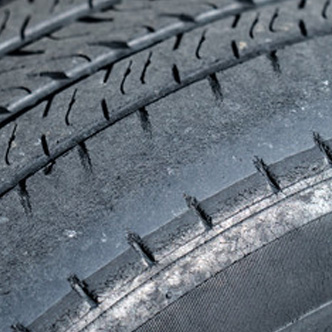
Uneven Tire Wear
Irregular wear can sometimes be associated with wheel imbalance or other tire, suspension or alignment issues.
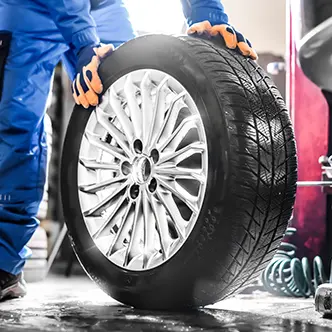
After Installing New Tires
New tires should be properly balanced when installed.
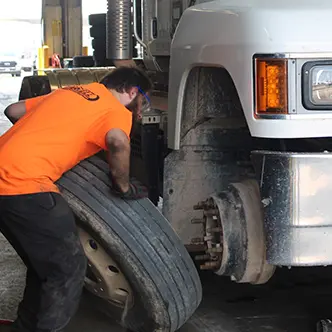
After a Tire or Wheel Service
Balancing may be appropriate when a tire is removed and reinstalled or when wheel components are serviced.
When Should You Have Your Tires Balanced?
NEW TIRES
Have the tire and wheel assembly balanced when installing new tires.
VIBRATION
If you notice a new or unusual vibration, have the tires and wheels inspected.
TIRE SERVICE
Balancing can be appropriate after certain tire repairs or when a tire is remounted.
WEAR OR HANDLING CHANGES
If you notice unusual tire wear or changes in how the vehicle feels, an inspection can help identify the cause.
Balancing Is Part of Complete Tire Care
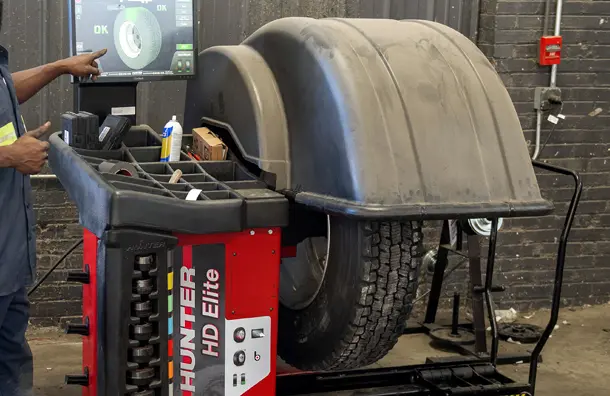
BALANCING
Helps the tire and wheel assembly rotate smoothly.
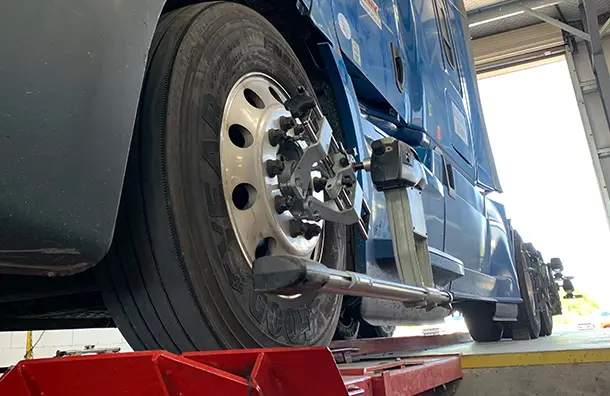
ALIGNMENT
Helps ensure the wheels are positioned according to the vehicle manufacturer's specifications.
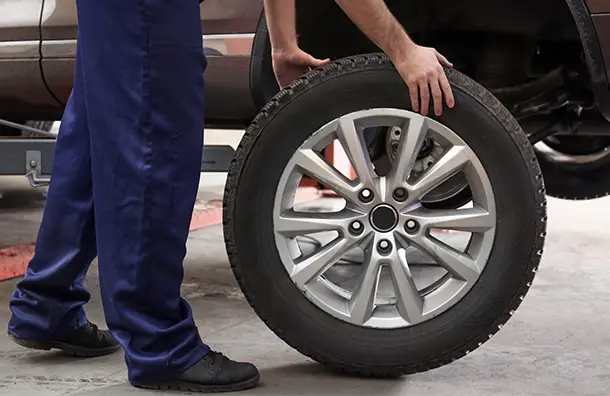
ROTATION
Moves tires to different positions on the vehicle to promote more even wear.
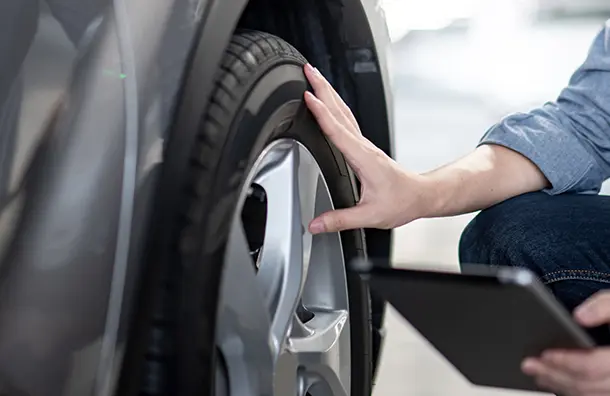
TIRE INSPECTION
Identifies wear, damage, inflation issues and other conditions that may affect tire performance.